How To Patch Pool Plaster: A Practical Repair Guide
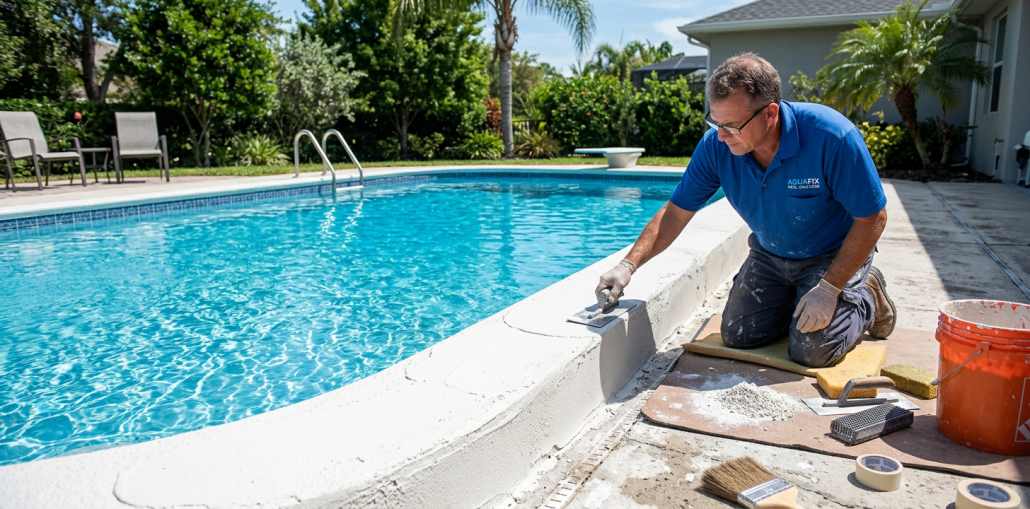
Pools take a beating. Sun, chemicals, movement, and age all leave their mark, and when plaster starts to chip, flake, or hollow out, the damage can spread faster than most people expect. If you want to how to patch pool plaster the right way, the goal is simple, create a durable repair that blends in, bonds well, and holds up to water exposure.
Here’s the thing, a good patch is not just about filling a hole. It’s about preparing the surface correctly, matching the repair material to the existing finish, and giving the patch enough time and care to cure properly. That matters whether you’re a pool service company, contractor, property manager, or a homeowner trying to avoid a bigger repair bill later.
What Causes Pool Plaster Damage?
Pool plaster usually fails for a few predictable reasons. Understanding the cause helps you patch it correctly and avoid the same problem coming back.
Common causes
- Chemical imbalance that weakens the surface
- Age and normal wear from use and weather
- Poor original application or weak bonding
- Shifting structure or minor cracking
- Spalling, chipping, or delamination in older surfaces
When plaster loses its bond, you may notice rough spots, discoloration, cracks, or areas that sound hollow when tapped. If the damage is widespread, it may be time to look at a broader pool interior repair solution instead of a small spot patch.
Before You Patch, Inspect the Damage
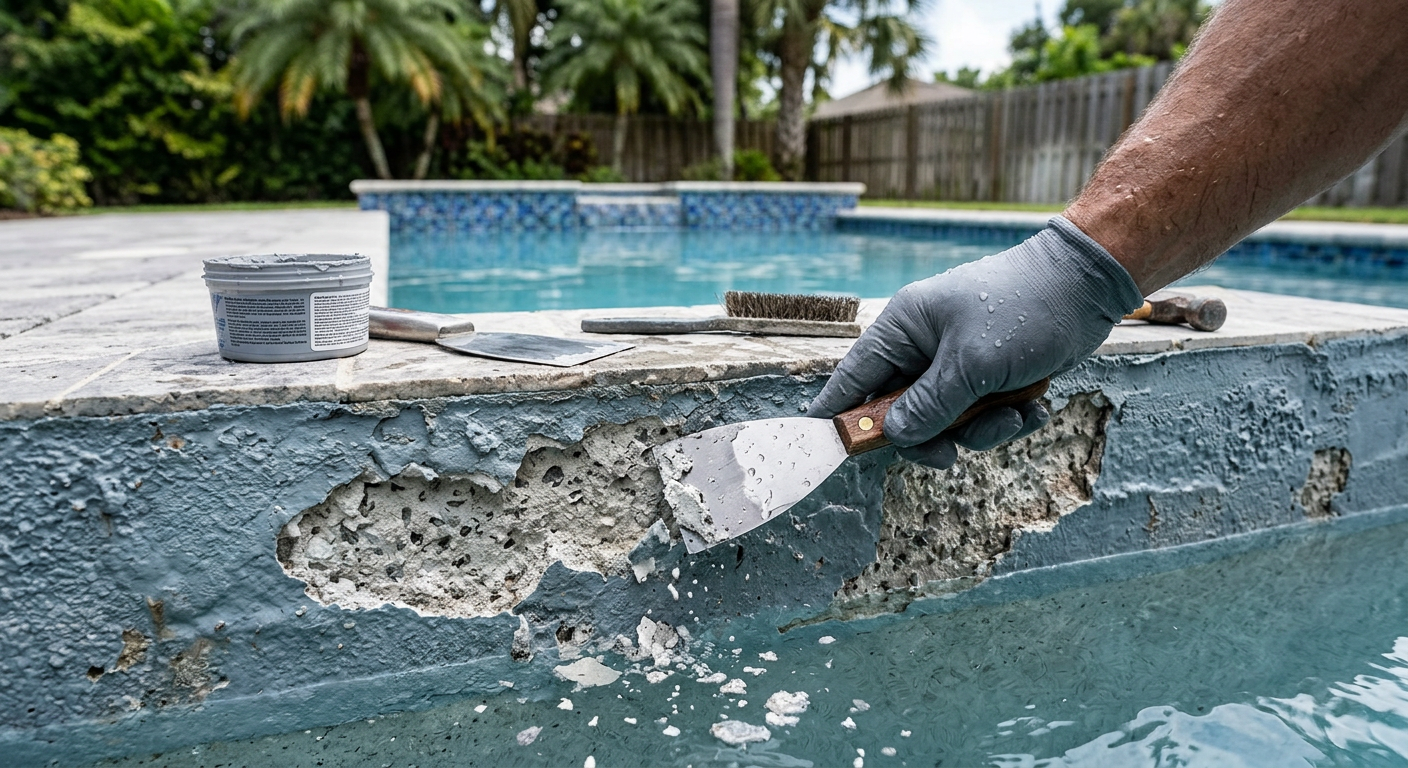
Before you mix anything, check how deep the damage goes. Surface chips are usually straightforward. Deep voids, soft spots, or large delaminated areas may need more extensive prep.
What to look for
- Loose or hollow plaster around the damaged area
- Cracks that extend beyond the visible chip
- Moisture trapped behind the surface
- Staining, rust, or calcium buildup
- Signs of structural movement
If you hear hollow sounds or see edges lifting, remove all weak material first. A patch over unstable plaster will fail quickly.
How To Patch Pool Plaster Step by Step
1. Drain or lower the water if needed
For above-water repairs, lower the water level so the damaged area is dry and accessible. Some repairs can be done underwater, but standard patching is easier and stronger when the surface is dry.
2. Remove all loose material
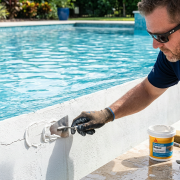
Use a chisel, scraper, or grinding tool to take out anything soft, crumbly, or detached. You want a solid edge to bond to, not a flaky border.
3. Clean the repair area
Remove dust, dirt, oils, algae, and loose debris. A clean surface improves adhesion and helps the patch cure more evenly. Rinse thoroughly and let the area dry when possible.
4. Feather the edges
Smooth the perimeter so the repair transitions naturally into the surrounding plaster. Sharp edges make patches stand out and can create weak spots.
5. Mix the repair material properly
Follow the manufacturer’s instructions closely. Too much water weakens the patch, while a mix that is too stiff can be difficult to trowel and finish. For professional results, use a product designed for pool plaster repair rather than general-purpose cement.
6. Apply the patch in layers if needed
Press the material firmly into the damaged area to eliminate air pockets. For deeper spots, build the repair gradually rather than overfilling all at once.
7. Finish to match the existing surface
Texture matters. Smooth, broom, or plaster finishes should be blended as closely as possible to the original pool interior. Good finishing helps the repair look better and perform better.
8. Allow proper curing time
Curing is just as important as application. Keep traffic, brushing, and water exposure off the repair until it has set according to product instructions.
For more guidance on selecting the right material, explore pool interior products designed for lasting plaster repairs.
Choosing the Right Repair Material
Not every patch product performs the same. If you’re working on a pool interior, you need a material made for wet environments, chemical exposure, and a smooth finish.
Look for these qualities
- Strong bond to existing plaster
- Water-resistant performance
- Ease of troweling and shaping
- Color compatibility with the existing finish
- Durability under pool chemicals and circulation
If the repair is near waterline tile or transitions into another surface, it may help to coordinate with tile repair products or broader shop all pool products options so the final repair looks consistent.
Tips for a Better Color Match
Color matching is one of the biggest concerns after patching. Even a strong repair can stand out if it contrasts sharply with the surrounding plaster.
Practical color-matching tips
- Clean the surrounding area before judging color
- Compare the patch under natural light
- Mix consistently so batch color stays even
- Expect slight variation in older plaster surfaces
- Test a small area before committing to a larger repair
Older pools often change color from age, chemicals, and sun exposure, so a perfect visual match may be difficult. The best goal is usually a clean, durable repair that blends naturally.
When to Repair vs Replace
Small chips, surface pits, and localized damage are usually patchable. But if plaster is failing across large sections, or if the pool surface is rough everywhere, patching may only buy time.
Consider replacement if
- Multiple large areas are delaminating
- The surface feels rough throughout the pool
- Cracks keep returning
- Previous patches have failed
- The plaster is very old and thin
For contractors and service companies, honest assessment builds trust. Sometimes the most professional answer is that spot repairs are no longer enough.
Why Professionals Use Pool-Specific Repair Products
General patching compounds are often not designed for constant water exposure or the demands of pool chemistry. That’s why pool professionals rely on repair materials made for interior finishes, coping, decks, and tile transitions.
E-Z Patch® has supplied pool repair materials since 1980, including solutions for pool interiors, deck surfaces, coping, tile, and crack repair. If you service pools regularly, you can also verify your professional account for discounts.
Common Mistakes to Avoid
Don’t patch over loose plaster
The new material will only bond as well as the surface underneath it.
Don’t rush the prep
Cleaning and edge preparation matter as much as the patch itself.
Don’t overwater the mix
A wet mix may be easier to apply, but it usually cures weaker.
Don’t ignore curing time
Early water exposure can ruin an otherwise good repair.
Don’t use the wrong product
A deck patch or general mortar is not the same as a pool plaster repair compound.
FAQs About Pool Plaster Patching
How long does a pool plaster patch last?
A properly prepared and applied patch can last for years, but longevity depends on surface prep, product choice, water chemistry, and how much stress the repaired area receives.
Can you patch pool plaster underwater?
Some products are made for underwater repair, but standard dry-surface repairs usually bond better. If the area stays submerged, choose a product specifically designed for underwater use.
Do I need to drain the pool to patch plaster?
Not always. Small repairs above the waterline can be done after lowering the water. Larger or lower-wall repairs are easier when the area is dry.
What is the best material for pool plaster repair?
A pool-specific plaster repair compound is the best choice because it is designed for bonding, curing, and durability in submerged or high-moisture conditions.
Why does my plaster patch look different?
Older plaster often fades or stains over time, so a new patch may not match perfectly. Proper blending, finishing, and color selection can help reduce the contrast.
Can I patch a crack instead of replastering the whole pool?
Yes, if the crack is isolated and the surrounding plaster is stable. If the crack keeps returning or the plaster is failing in multiple places, a larger repair may be needed.
A Better Way To Approach Pool Repairs
The best pool repairs are the ones that solve the problem the first time. That means using the right material, preparing the surface carefully, and choosing products made for the real conditions pool surfaces face every day.
If you’re working on plaster, tile, decks, or coping, it helps to have one reliable source for the right products. Explore shop pool interior repair products, shop pool deck and patio repair products, or shop all pool repair products to keep your next job moving smoothly.
Final Thoughts
Knowing how to patch pool plaster comes down to a few basics, clean prep, the right repair material, careful finishing, and proper curing. Do those things well, and you can create a repair that lasts, looks better, and helps protect the pool from bigger damage later.
Whether you’re a contractor handling multiple properties or a homeowner fixing one bad spot, the smartest move is to treat the repair like a system, not just a fill-in. Start with the right product, follow the process, and you’ll get a much stronger result.